Most kitchens have a bottle of olive oil by the stove and a habit of pouring "about a tablespoon" that is really closer to three. An oil spray bottle promises to fix that, and plenty of people wonder whether it is a real tool or one more gadget that ends up in a drawer.
For most home cooks, an oil spray bottle is worth it if you roast, air fry or pan-fry a few times a week, because it puts a thin, even coat exactly where you want it. It is not worth it if you mostly cook dishes that need a generous pour, or if you buy a cheap one that streams instead of mists.
Below is an honest look at what spraying does better than pouring, where pouring still wins, and what to check before you spend money on one.
What's covered:
- What an oil spray bottle does well
- Olive oil spray vs. bottle: where each one wins
- Where spraying falls short
- Who it is worth it for
- What separates a good one from a drawer gadget
- Getting your money's worth from it
What an Oil Spray Bottle Does Well
The main job of a sprayer is coverage. A fine mist lands as a thin film across a whole surface, so every potato wedge, every slice of bread and every corner of a pan gets a little oil instead of one spot getting a lot.
That matters most in a few everyday situations:
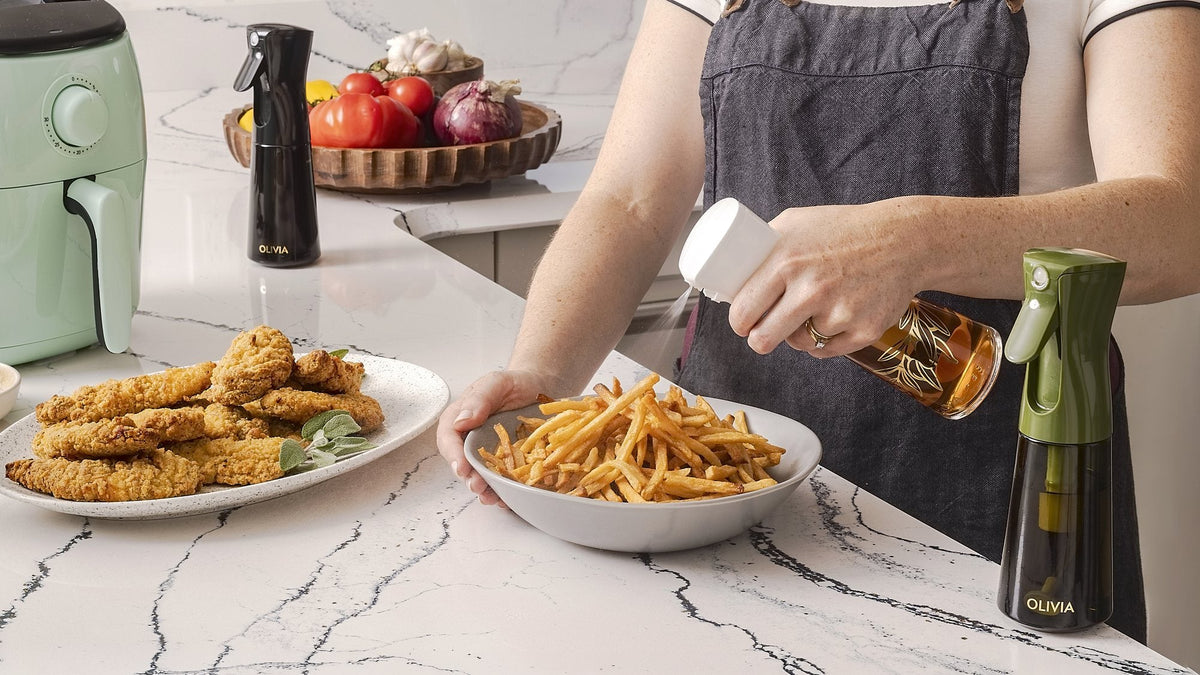
- Roasting and air frying. Vegetables and breaded food brown more evenly when the oil is spread thin, and you are not left with a pool in the bottom of the basket.
- Greasing pans. A quick mist reaches the corners of a muffin tin or loaf pan without a brush or a paper towel.
- Finishing. A light spray over toast, popcorn or a bowl of greens adds flavor without making anything soggy.
- Portion control. It is simply easier to use less when the oil comes out as a mist, because you can see the coat building up.
Unlike aerosol cans, a refillable sprayer holds the oil you choose, so you know exactly what is going on your food.
Olive Oil Spray vs. Bottle: Where Each One Wins
This is the comparison people search for most, and the answer is that the two tools do different jobs. A sprayer is not a replacement for your pouring bottle. It covers the tasks where pouring tends to overshoot.

| Task | Spray | Pour |
|---|---|---|
| Coating vegetables for roasting | Better: thin, even coat | Works, but easy to overdo |
| Air fryer basket and food | Better | Tends to pool |
| Greasing baking pans | Better: reaches corners | Needs a brush or towel |
| Searing in a hot pan | Fine for a light film | Better when you want a shimmering layer |
| Sautéing onions or garlic | Too little oil | Better |
| Dressings, dips, drizzling over pasta | Fine for a light finish | Better for flavor you can taste |
If you are still deciding which setup suits your counter, the comparison of an olive oil dispenser bottle vs. an oil sprayer goes through it task by task.
Where Spraying Falls Short
An honest answer includes the downsides. A sprayer is a small mechanism, and small mechanisms need a bit of care.
- It is slow for big amounts. If a recipe calls for a quarter cup of oil, pour it.
- Cheap pumps stream. Many low-cost bottles shoot a jet instead of a mist, which defeats the purpose.
- Thick or unfiltered oils can clog it. Oils with sediment, or oils that turn cloudy in a cold kitchen, are harder on the nozzle.
- It needs cleaning. Oil left in a nozzle for weeks can thicken. A warm-water rinse every so often keeps it misting.
None of these are deal-breakers, but they are the reasons some people give up on sprayers. Most of them come down to the bottle, not the idea.
Is an Oil Spray Bottle Worth It for Your Kitchen?
It helps to be specific about how you cook. A sprayer earns its spot if a few of these sound like you:
- You use an air fryer or roast trays of vegetables most weeks.
- You bake and grease pans often.
- You are trying to use less oil without giving up olive oil.
- You have tried aerosol cooking spray and did not like the residue it left on your pans.

It is probably not worth it if you mainly cook braises, soups and pasta sauces that start with a generous glug of oil, or if you cook only once or twice a week. In that case a good pouring bottle with a controlled spout will serve you better.
What Separates a Good One from a Drawer Gadget
Whether a sprayer feels worth it depends heavily on the sprayer. When people say an oil sprayer "doesn't work," they usually mean it sputters or streams. Here is what to look for:
- A true mist. Look for a pump that builds pressure before it sprays, so you get a fine, even mist rather than a squirt.
- Glass over plastic. Glass does not hold on to old oil smells and is easy to see through, so you know when to refill. Here is more on glass vs. plastic spray bottles.
- A wide opening. Refilling should not need a funnel and a steady hand.
- Parts that come apart for cleaning. A nozzle you can rinse is a nozzle that keeps working.
- A size you will actually use. A smaller bottle stays fresher if you cook occasionally; a larger one saves refills if you cook daily.
The full list of features that matter in an oil sprayer for cooking goes deeper on each of these.
Getting Your Money's Worth From It
A sprayer only pays off if you reach for it. A few habits make that easy:
- Keep it next to the stove, not in a cabinet. Store it away from direct heat and sunlight, which are hard on olive oil.
- Use filtered oil. Regular extra virgin olive oil, avocado oil and other thin oils mist well. Our guide to which oils you can use in an oil sprayer covers the ones to avoid.
- Spray food, not just the pan. Misting vegetables directly after tossing them on the tray gives a more even coat than oiling the tray alone.
- Rinse it regularly. Run warm soapy water through the pump every couple of weeks, and the mist stays fine.

One safety note: never spray toward an open flame or a hot burner. Spray food or pans away from the heat, then bring them back to the stove.
A Refillable Sprayer That Keeps It Simple
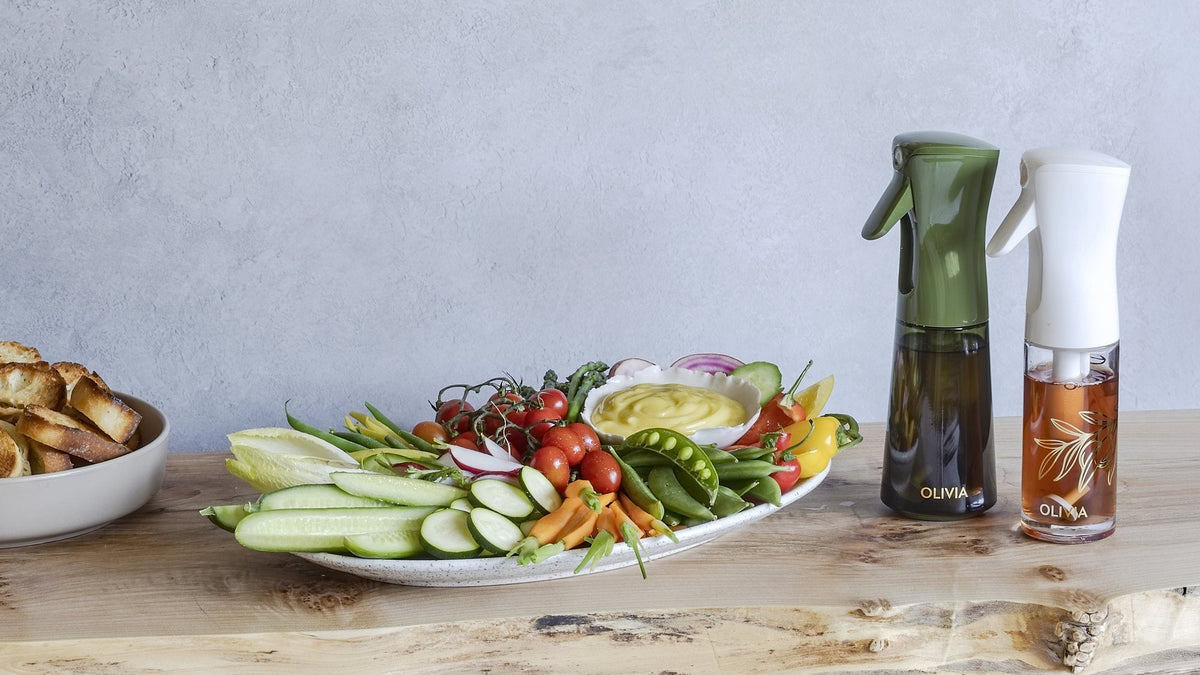
OLIVIA Signature was made for the everyday jobs above. It is a refillable glass oil sprayer with a borosilicate glass bottle, no propellants and no aerosol, and you fill it with your own oil. The pump is built to spray a fine, even mist, and it comes in 130 ml and 200 ml sizes in Olive Green, Golden Leaves and Black.
If you cook a few times a week and want a smaller bottle that stays fresh, the 130 ml Golden Leaves olive oil sprayer is a good place to start.
Frequently Asked Questions
Do oil spray bottles actually work?
Yes, as long as the bottle produces a real mist. Pump sprayers that build pressure before spraying give a fine, even coat, while cheap trigger bottles often shoot a stream that works no better than pouring.
Are oil spray bottles safe?
A refillable glass sprayer holds only the oil you put in it, with no propellants. The main safety rule is to spray away from heat: never spray toward an open flame or a hot burner.
Can you put olive oil in any spray bottle?
Not really. A regular water spray bottle is not designed for oil, so it tends to clog or squirt. Use a sprayer made for cooking oil, and stick to filtered olive oil for the cleanest mist.
Why is my oil spray bottle not spraying?
Usually the nozzle is partly blocked by thickened oil, or the bottle is too full or too empty to build pressure. Rinsing the pump with warm soapy water fixes most cases, and this guide to a sprayer that stops misting walks through the rest.
Spray when you want a thin, even coat, pour when you want a pool of flavor, and keep both within reach of the stove.